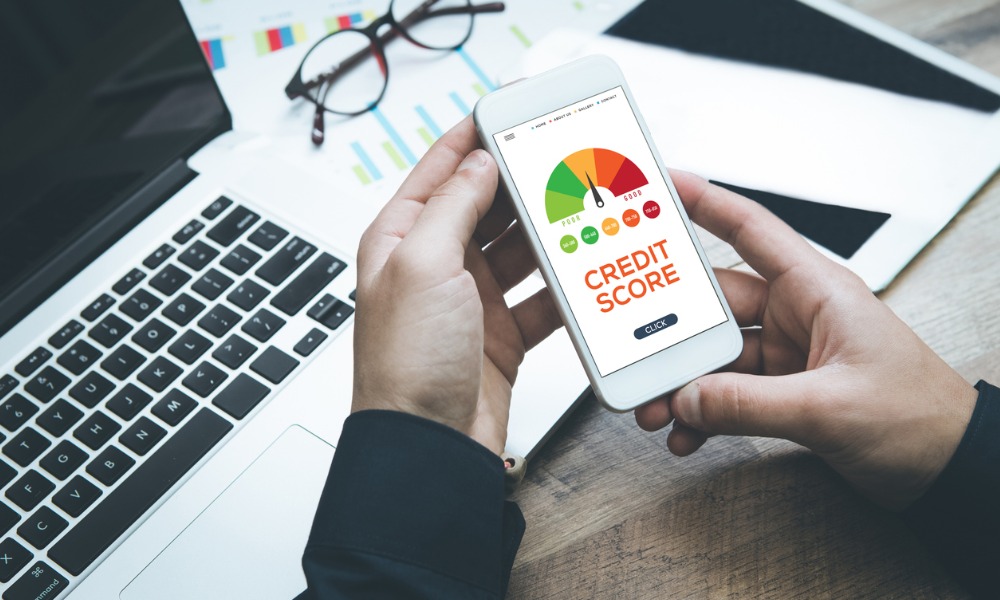

Your credit score is a three-digit number that changes more than most people realise. This can affect you getting a loan, your interest rates, renting a home, and even getting a job in some states. But most people do not understand what makes this number and how it changes.
What Is A Credit Score?
In simple terms, a credit score is a number that shows just how good you are with your money. In other words, it basically tells people how likely you are to pay back money you borrow. In the U.S., most banks use the FICO Score, which goes from 300 to 850.
Here is how the ranges break down:
| Score Range | Rating |
|---|---|
| 800 – 850 | Exceptional |
| 740 – 799 | Very Good |
| 670 – 739 | Good |
| 580 – 669 | Fair |
| 300 – 579 | Poor |
According to Experian, the average American FICO Score in 2023 was 715. This is in the “Good” range. However, a good score is not always high enough to get the best interest rates.
What Actually Goes Into Your Score
FICO scores are calculated using five factors. However, some factors are more important than others.
- Payment history (35%) – This is the most important factor. If you miss even one payment, your score can go down a lot.
- Credit utilization (30%) – This is how much of your total credit limit you are using. Experts say you should use less than 30%.
- Length of credit history (15%) – It is better to have an older account. If you close an old credit card, it can actually hurt your score.
- Credit mix (10%) – Having different kinds of credit (like cards, car loans, or house loans) shows banks you can handle different bills.
- New credit inquiries (10%) – Every time you apply for a new card, your score can go down for a short time.
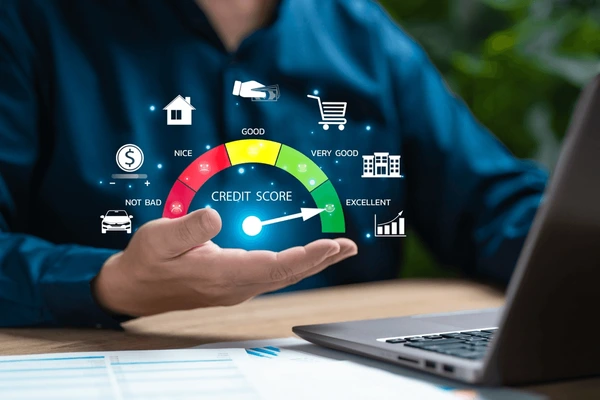
What Actually Improves Your Score
This is where many people make mistakes. Your friends and relatives may give you simple advice like “pay your bills on time.” However, it is not always enough, and the full story. Here are some tips that actually work:
- Pay your bills on time. Because your history is 35% of your score, being even 30 days late once can drop your score by 50 to 100 points. Use “autopay” to at least pay the smallest amount automatically.
- Use your credit card less. If your limit is $10,000 and you owe $4,000, your use is 40%. This is too high. Pay it until it is below 30%. For the best results, keep it below 10%.
- Do not close old accounts. Closing a card makes your credit history shorter and lowers your total limit. Both of these things can hurt your score.
- Limit new applications. Every time you apply for a new card, your score can go down. Do not apply for many things at once. If you look for a house or car loan within 14 to 45 days, it usually counts as only one application.
You Should Know This Useful Fact!
The Consumer Financial Protection Bureau (CFPB) said that 26 million Americans are “credit invisible.” This means that they have no credit history at all.
Another 19 million have files that are too small or too old to give them a score. That is about 45 million people who cannot get normal loans from banks.
If you are starting from zero, a secured credit card or a credit-builder loan are good first step.
Conclusion
Learning about credit scores can look scary from the outside. However, it is not hard once you know what makes it change.
Just make sure to focus on paying on time, keeping your debt low, and keeping your old accounts open. These three habits alone make up 80% of your score.