
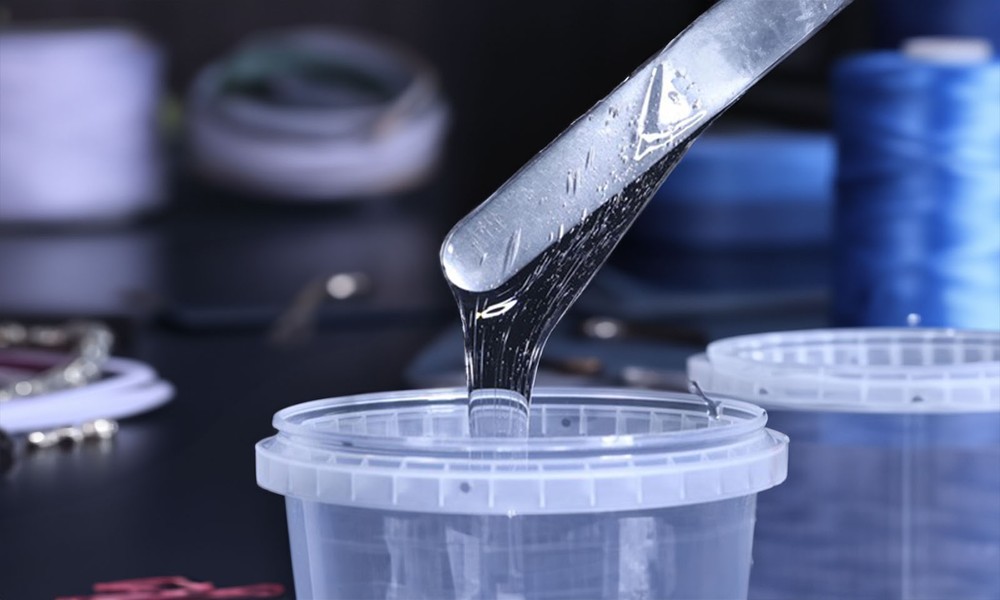
Manufacturers now build lighter products with tighter dimensional control. Medical tools, automotive seals, and wearable devices require flexible engineering materials. Designers also expect smooth finishes and intricate structural detailing. Liquid Silicone helps factories achieve those results without slowing production. It handles delicate mold geometries while maintaining mechanical stability.
Precision Molding Improves Product Accuracy
Complex shapes challenge many traditional molding materials during production. Thin channels often trap air inside unfinished industrial components. Silicone flows through narrow cavities during injection procedures. As a result, manufacturers achieve cleaner surfaces and sharper detailing.
Medical mask producers benefit from accurate edge formation. Automotive connector makers also prefer silicone for thermal resistance. Electronics brands value moisture protection during sensitive assembly operations. Unlike brittle plastics, silicone retains flexibility across changing temperatures.
Why Does Faster Processing Matter Today?
Production efficiency influences manufacturing costs more than material pricing. Delayed curing cycles interrupt factory scheduling and inventory planning. Silicone cures inside automated injection molding equipment.
Several operational benefits improve manufacturing performance:
- Reduced trimming requirements
- Faster mold release cycles
- Stable dimensional consistency
- Lower assembly complications
- Cleaner component integration
Factory supervisors prefer streamlined production with fewer rejected molded pieces. Faster throughput also supports large commercial manufacturing contracts.
Better Design Freedom Changes Product Engineering
Modern industrial products require ergonomic shapes and integrated structural features. Designers no longer prefer bulky multi-piece product constructions. Instead, engineers combine flexibility and durability within compact molded components.
For example, wearable healthcare sensors demand soft surface textures. Yet internal sections still require structural durability under repeated use. Liquid Silicone supports both design goals within single molded assemblies. That combination reduces assembly labor while simplifying product construction.
The contrast becomes clear during consumer electronics manufacturing. Rigid plastics resist deformation but limit intricate flexible detailing. Silicone, however, adapts across curved or pressure-sensitive product sections.
Features Manufacturers Value During Production
Different industries prioritize different material performance characteristics during fabrication. Still, silicone provides operational advantages across multiple industrial sectors.
Important manufacturing advantages include:
- Heat resistance under pressure
- Fine texture replication accuracy
- Chemical exposure durability
- Lightweight molded construction
- Electrical insulation reliability
- Water-resistant surface protection
Those properties improve product reliability during intensive operating conditions. Manufacturers also reduce maintenance concerns through stable silicone material performance.
Can Silicone Reduce Manufacturing Waste?
Material waste affects profitability across large-scale industrial production facilities. Excess trimming and defective molding increase operating expenses. Silicone molding systems reduce flash generation during automated processing procedures.
Factories also simplify inventory management through consolidated component manufacturing approaches. Instead of assembling several rigid pieces, engineers mold unified structures directly. Fewer production steps improve workflow efficiency and reduce packaging complications.
Shorter production timelines strengthen commercial manufacturing profit margins. That advantage becomes essential during high-volume product launches.
Advancing Product Design Through Efficient Manufacturing
Industrial innovation requires materials that support creativity alongside operational efficiency goals. Silicone enables detailed engineering while preserving scalable production consistency. Medical equipment manufacturers, automotive suppliers, and electronics brands continue expanding silicone-based applications.
Reliable molding precision supports stronger products with refined structural detailing. Faster processing also improves manufacturing flexibility across competitive industries.