
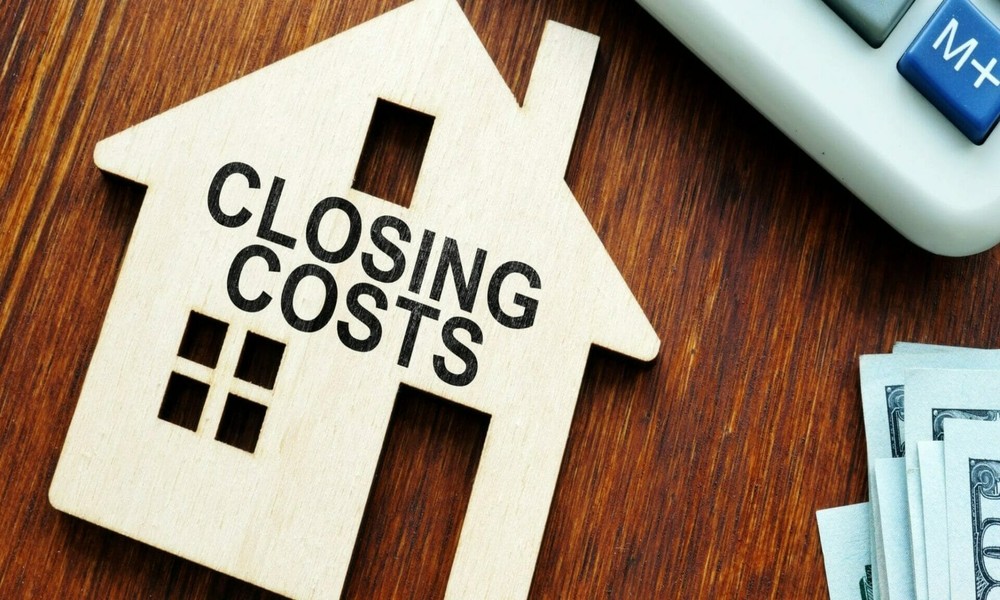
You have found the home, negotiated the price, and secured the mortgage. Then comes the closing, and with it, a stack of fees that many buyers were not fully prepared for.
Closing costs are real, they are significant, and understanding them ahead of time makes the entire process less stressful.
What are closing costs in a real estate transaction?
Closing costs are the fees and expenses paid at the final stage of a home purchase or refinance, separate from the down payment. They cover a range of services involved in transferring ownership and setting up the loan.
Both buyers and sellers typically pay closing costs, though the amounts differ significantly. As a buyer, you are generally responsible for the larger share.
How much should you expect to pay in closing costs?
On average, buyers in the U.S. pay between 2% and 5% of the home’s purchase price in closing costs. On a $400,000 home, that is $8,000 to $20,000, due at the time of closing, on top of your down payment.
According to CoreLogic, the average U.S. home sale price in 2023 was approximately $392,000, which means most buyers are looking at closing costs in the $8,000-$19,000 range.
That is not a small number, and it catches many first-time buyers off guard.
What fees are typically included in closing costs?
Closing costs are not one single fee but a collection of charges from multiple parties. Here is a breakdown of what is typically included:
|
Fee |
Who It Goes To |
Typical Cost |
|---|---|---|
|
Loan Origination Fee |
Lender |
0.5% – 1% of the loan |
|
Appraisal Fee |
Appraiser |
$300 – $600 |
|
Title Search & Insurance |
Title Company |
$700 – $1,500 |
|
Attorney Fee (where required) |
Real Estate Attorney |
$500 – $1,500 |
|
Home Inspection |
Inspector |
$300 – $500 |
|
Prepaid Property Taxes |
Local Government |
Varies |
|
Homeowners Insurance (prepaid) |
Insurance Provider |
Varies |
|
Recording Fees |
County/Municipality |
$25 – $250 |
Some of these are negotiable. Others, like recording fees and transfer taxes, are fixed by the local government.
Do sellers pay closing costs, too, and how much?
Yes, sellers have their own closing costs, and they are often higher in total.
The biggest line item is the real estate agent commission, which has historically ranged from 5% to 6% of the sale price, though recent industry changes following the 2024 NAR settlement have made commission structures more flexible.
Sellers may also pay:
- Transfer taxes
- Title-related fees
- Any agreed-upon buyer concessions
In a competitive market, sellers sometimes offer to cover a portion of the buyer’s closing costs to close the deal faster.
Can closing costs be reduced or rolled into the mortgage?
In some cases, yes, closing costs can be reduced or rolled into the mortgage. Here are a few options worth knowing:
- Lender credits: Your lender covers some closing costs in exchange for a slightly higher interest rate.
- Seller concessions: You negotiate for the seller to contribute toward your closing costs.
- No-closing-cost mortgage: Costs are rolled into the loan balance, meaning you pay them over time with interest.
- Shop around: Lenders are required to provide a Loan Estimate within three business days of application, and comparing these across lenders can reveal meaningful cost differences.
Rolling costs into the loan reduces your upfront burden but increases what you pay over the life of the mortgage. It is a tradeoff worth calculating carefully.
How far in advance should you prepare for closing costs?
Prepare early. The Consumer Financial Protection Bureau recommends buyers request and compare Loan Estimates from at least three lenders before committing.
According to CFPB data, nearly half of U.S. homebuyers do not shop around for a mortgage, a habit that can cost thousands in avoidable fees.
Budget for closing costs from the moment you start saving for a home. They are not optional, and they are not small.